August 24, 2026
It's essential to maintain your air conditioner to not only ensure optimal performance but also extend its lifespan. Regular care of your unit is vital, as it helps to avoid significant breakdowns and expensive repairs. The indoor environment can be a breeding ground for pollutants; according to U.S. Environmental Protection Agency (EPA), Americans spend approximately 90% of their time indoors, where pollutant concentrations are often 2 to 5 times higher than typical outdoor concentrations. Therefore, having a well-maintained air conditioner can contribute significantly to reducing indoor pollutants, offering a safer and more comfortable living space.
1. What Regular AC Services Should Be Scheduled?
A. Importance of Regular Check-ups
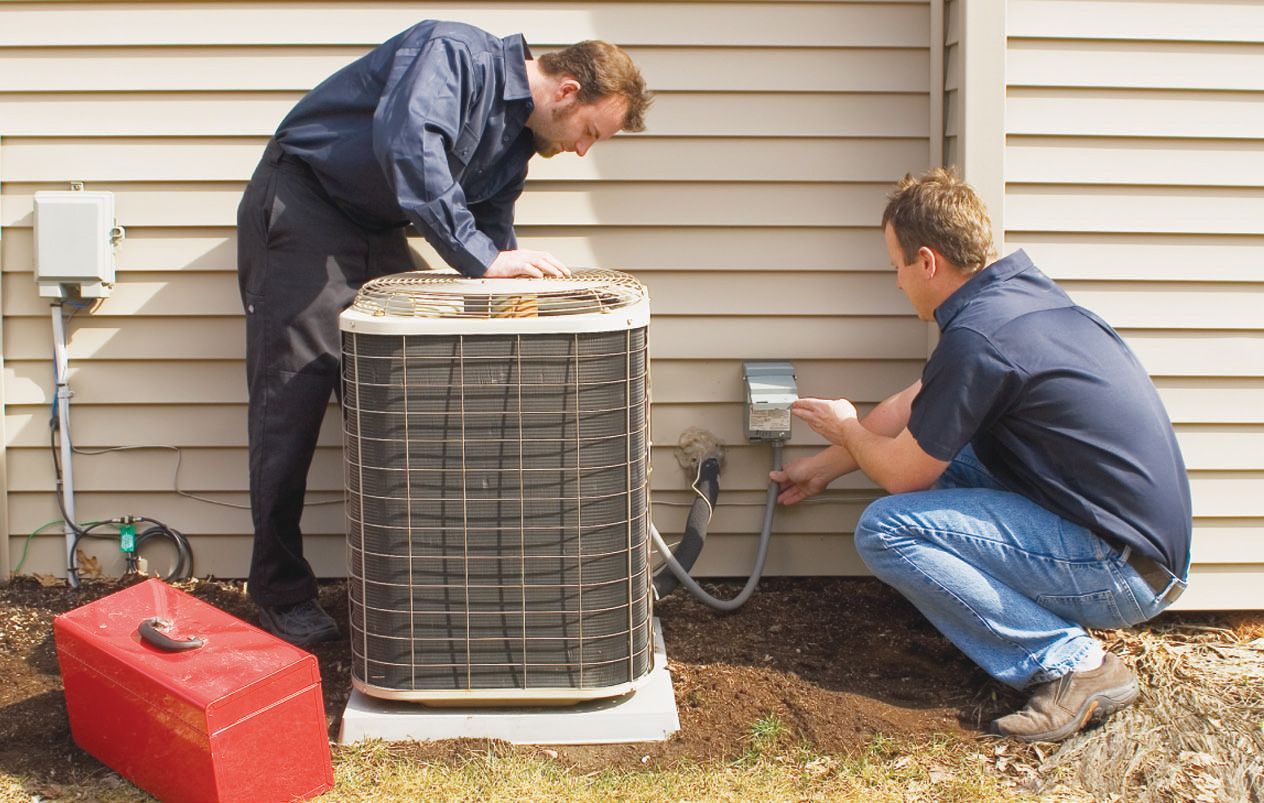
Regular check-ups for your air conditioner are crucial as they ensure the system is working efficiently. These check-ups can help prevent unexpected breakdowns by identifying and rectifying potential issues early on. Moreover, regular maintenance can safeguard indoor air quality by keeping the system clean and free of contaminants. It's not just about longevity but also about maintaining a healthier indoor environment as suggested by ac service experts.
Without consistent maintenance, air conditioners are prone to decreased efficiency, meaning they consume more energy to provide the same cooling effect. This not only increases utility costs but also places extra strain on the unit, potentially shortening its lifespan. By scheduling routine check-ups, you also comply with most manufacturer's warranty requirements, ensuring that you're covered if problems arise. Routine services help in monitoring energy consumption and ensuring that the air conditioner does not contribute to the concentration of harmful indoor pollutants.
Beyond internal efficiency, regular check-ups can contribute to the system's operational safety. Electrical components, for instance, may wear out over time and could pose a fire risk if not routinely inspected. By investing in regular ac services, you reduce such risks and assure safety for you and your household. Furthermore, maintaining the air conditioning system ensures it runs smoothly during extreme conditions, providing comfort when it's needed the most.
B. Ideal Frequency for Maintenance
The frequency of AC maintenance often depends on several factors, including system age, usage patterns, and environmental conditions. It is generally recommended to schedule professional ac services at least once a year. However, for air conditioners that are in constant use or in areas with high dust levels, two annual check-ups may be advisable. Adhering to this maintenance schedule helps in maintaining peak performance, enhancing air quality, and promoting energy efficiency.
Frequent maintenance ensures that all the components of your AC are functioning correctly, thus avoiding the accumulation of issues that could lead to costly repairs. Seasonal checks, particularly before the summer when AC units are used most, ensure the system is prepared for the peak load. Checking the system before winter might also yield some energy savings if your system doubles as a heater. Professional technicians can calibrate and modify settings to match changing seasonal demands, which, in turn, can help in saving energy.
More frequent maintenance checks are recommended for older systems as they are more likely to experience wear and tear. Systems over ten years old may benefit from semi-annual maintenance to catch minor issues before they develop into larger problems. Additionally, regular ac services are essential to maximize energy savings. Service technicians can perform thorough cleanings and adjust settings to improve efficiency, directly translating into reduced energy bills.
2. How Can I Clean My Air Conditioner at Home?
A. Tools Needed for Cleaning
Cleaning your air conditioner at home is a relatively straightforward task when you have the right tools. Essential tools include a vacuum, a soft brush, a fin comb, and a coil cleaner. A vacuum equipped with crevice tools can effectively remove dust and debris from hard-to-reach spots. Meanwhile, a soft brush allows you to gently scrub more delicate components, avoiding potential damage.
Fin combs are designed to straighten and clean fins on condensers and evaporators, which can often become bent and clogged with dirt over time. This is crucial because straight, clean fins allow the system to operate efficiently by optimizing heat exchange. Coil cleaners, which are often available as sprays, effectively dissolve grime and build-up without damaging components. For thorough cleaning, having these basic tools on hand ensures the cleanliness and efficiency of your unit.
It’s also recommended to have protective gear such as gloves and safety goggles. While most cleaner solutions are safe, some might splatter or emit fumes. Ensuring personal safety is paramount during the cleaning process to prevent any accidental harm. Additionally, having access to these tools encourages regular DIY maintenance, reducing the frequency of professional calls and keeping costs down.
B. Step-by-step Cleaning Guide
To clean your air conditioner effectively, begin by turning off the system to ensure both safety and efficiency. Remove the outer casing to access the interior elements, using a vacuum to remove any gathered dust or debris from coils and other surfaces. Next, use a coil cleaner; simply spray it on the coils, allowing it to sit according to the product's instructions before rinsing it off with water. It's essential to let the coils and all wet components dry completely before closing the unit to avoid mold growth.
While the coil cleaner works on grime, this is the perfect time to focus on cleaning or replacing the air filters. Clean filters can dramatically improve indoor air quality by trapping dust and other pollutants effectively. After cleaning, visually inspect all the components for wear and rectify any bent fins with the comb. Reassemble the air conditioner's exterior casing after confirming the integrity of each part, ensuring the system is reassembled before reconnecting it to the power supply.
3. What Are the Benefits of Energy-efficient Upgrades?
A. Understanding Energy Efficiency Ratings
Energy efficiency ratings, such as SEER (Seasonal Energy Efficiency Ratio), are tools that help consumers gauge the efficiency of air conditioning units. The higher the SEER rating, the more energy-efficient the air conditioner, which translates to less energy use and expense in cooling a space. Understanding these ratings allows homeowners to make informed decisions when purchasing new units or upgrading existing systems. Furthermore, these ratings directly influence long-term cost savings in energy bills, making it a viable option for budget-conscious consumers.
Energy-efficient air conditioners often come with a slightly higher initial price but offer significant savings over time by reducing utility costs. While higher-rated systems may present a larger up-front expense, their efficient operation ensures lower long-term costs. Encouraging the choice of higher-rated air conditioners aligns with government and environmental agency recommendations aimed at reducing environmental impact. As advised by many ac service professionals, investing in energy-efficient systems not only supports a sustainable lifestyle but also provides substantial financial savings.
B. Common Energy-efficient Upgrades
Investing in energy-efficient upgrades is a practical approach to reducing long-term operational costs and minimizing ecological footprints. Eco-friendly thermostats or smart thermostats represent common and impactful upgrades. These devices allow for precise temperature control and schedule settings that promote energy savings by adjusting temperatures according to usage patterns and occupancy. Many smart thermostats can be programmed to make automatic temperature adjustments aligned with your daily routine.
Replacing or upgrading critical components like insulation, ductwork, and outdated compressors are other widely recommended upgrades. These components can play pivotal roles in improving the overall efficiency and effectiveness of heating and cooling systems. By simply optimizing the ductwork to prevent leaks and improve airflow, you can significantly enhance the unit's performance. These energy-smart changes, when combined, lead to a substantial overall efficiency boost, as advised by professional ac services.
The longevity and efficiency of your air conditioner hinge on proactive maintenance and informed upgrades. By adhering to a regular maintenance schedule and enlisting professional ac services, you can avoid costly repairs and ensure a clean and healthy indoor environment. Energy-efficient choices, supported by government incentives, provide extensive savings and environmental benefits, reflecting a more sustainable approach to home cooling. Leveraging the outlined practices ensures your unit provides efficient service, translating into comfort, reduced energy costs, and minimized ecological impact. Sustaining these efforts fosters a healthier atmosphere for future use, making proactive management a rewarding, eco-positive commitment. Reach out to Zagros Heating & Air Conditioning today to see how we can help you!